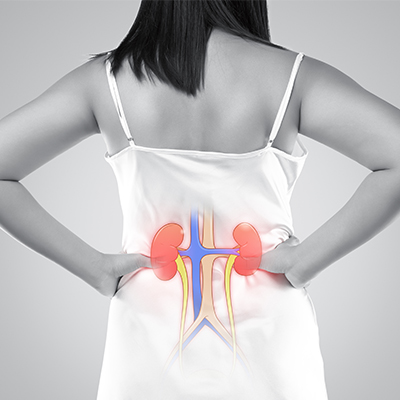
Test By Organs
By understanding these dynamics, you can better appreciate the nuances of the relationships you live and the stories you consume. For more in-depth writing tips, you can explore guides from Gila Green Writes or Between the Lines Editorial .
While they share similarities, the goals of real-life relationships and fictional storylines differ significantly: Real-Life Relationships Romantic Storylines (Fiction) Stability, safety, and long-term partnership. Emotional catharsis and entertainment. Role of Conflict Something to be resolved or minimized for health. The engine that drives the plot forward. Character Focus Growing together as individuals. Changing the protagonist's worldview. Key Element Trust and mutual respect. Chemistry, tension, and "the stakes".
Reviews frequently highlight the "spark" or "chemistry" between characters, whether they start as allies or in a love-hate dynamic. Evolution:
While exploring taboo content can be a fascinating and engaging experience, it is essential to prioritize consent and responsibility. This includes:
Historically, traditional romantic storylines concluded at the altar. The wedding was the definitive punctuation mark, signaling that the journey was complete. However, modern audiences have grown increasingly skeptical of the traditional "Happily Ever After." Contemporary media frequently explores what happens after the credits roll.
Creating a resonant romantic narrative requires more than just placing two attractive characters in a room. Writers, directors, and novelists rely on specific narrative frameworks—often called tropes—to generate the friction necessary to sustain a plot. Conflict is the engine of narrative, and in romance, conflict is the barrier preventing two people from achieving intimacy. The Enemies-to-Lovers Arc
I can expand this piece further depending on your specific needs. Let me know if you would like to focus on:
The best romantic storyline you will ever encounter is not the one with the most clever dialogue or the hottest leads. It is the one that makes you close the book, turn off the TV, and look at your own life with fresh eyes. It is the one that reminds you that vulnerability is not weakness, that a single choice to trust another person is an act of heroism.
For every realistic, tender romance, there are a hundred that traffic in what I call the "Toxic Pantheon." These are the storylines we know are problematic, yet we cannot look away. They endure because they tap into powerful, uncomfortable desires.
By understanding these dynamics, you can better appreciate the nuances of the relationships you live and the stories you consume. For more in-depth writing tips, you can explore guides from Gila Green Writes or Between the Lines Editorial .
While they share similarities, the goals of real-life relationships and fictional storylines differ significantly: Real-Life Relationships Romantic Storylines (Fiction) Stability, safety, and long-term partnership. Emotional catharsis and entertainment. Role of Conflict Something to be resolved or minimized for health. The engine that drives the plot forward. Character Focus Growing together as individuals. Changing the protagonist's worldview. Key Element Trust and mutual respect. Chemistry, tension, and "the stakes".
Reviews frequently highlight the "spark" or "chemistry" between characters, whether they start as allies or in a love-hate dynamic. Evolution: SexMex.20.07.29.Vika.Borja.Taboo.Summer.Sex.Wit...
While exploring taboo content can be a fascinating and engaging experience, it is essential to prioritize consent and responsibility. This includes:
Historically, traditional romantic storylines concluded at the altar. The wedding was the definitive punctuation mark, signaling that the journey was complete. However, modern audiences have grown increasingly skeptical of the traditional "Happily Ever After." Contemporary media frequently explores what happens after the credits roll. By understanding these dynamics, you can better appreciate
Creating a resonant romantic narrative requires more than just placing two attractive characters in a room. Writers, directors, and novelists rely on specific narrative frameworks—often called tropes—to generate the friction necessary to sustain a plot. Conflict is the engine of narrative, and in romance, conflict is the barrier preventing two people from achieving intimacy. The Enemies-to-Lovers Arc
I can expand this piece further depending on your specific needs. Let me know if you would like to focus on: Emotional catharsis and entertainment
The best romantic storyline you will ever encounter is not the one with the most clever dialogue or the hottest leads. It is the one that makes you close the book, turn off the TV, and look at your own life with fresh eyes. It is the one that reminds you that vulnerability is not weakness, that a single choice to trust another person is an act of heroism.
For every realistic, tender romance, there are a hundred that traffic in what I call the "Toxic Pantheon." These are the storylines we know are problematic, yet we cannot look away. They endure because they tap into powerful, uncomfortable desires.