✨ Welcome to our new update!
Roland Sound Canvas Sc-55 Soundfont Page
Secure, scalable, and game-changing authentication for your applications. Get started in minutes with our powerful APIs and SDKs.
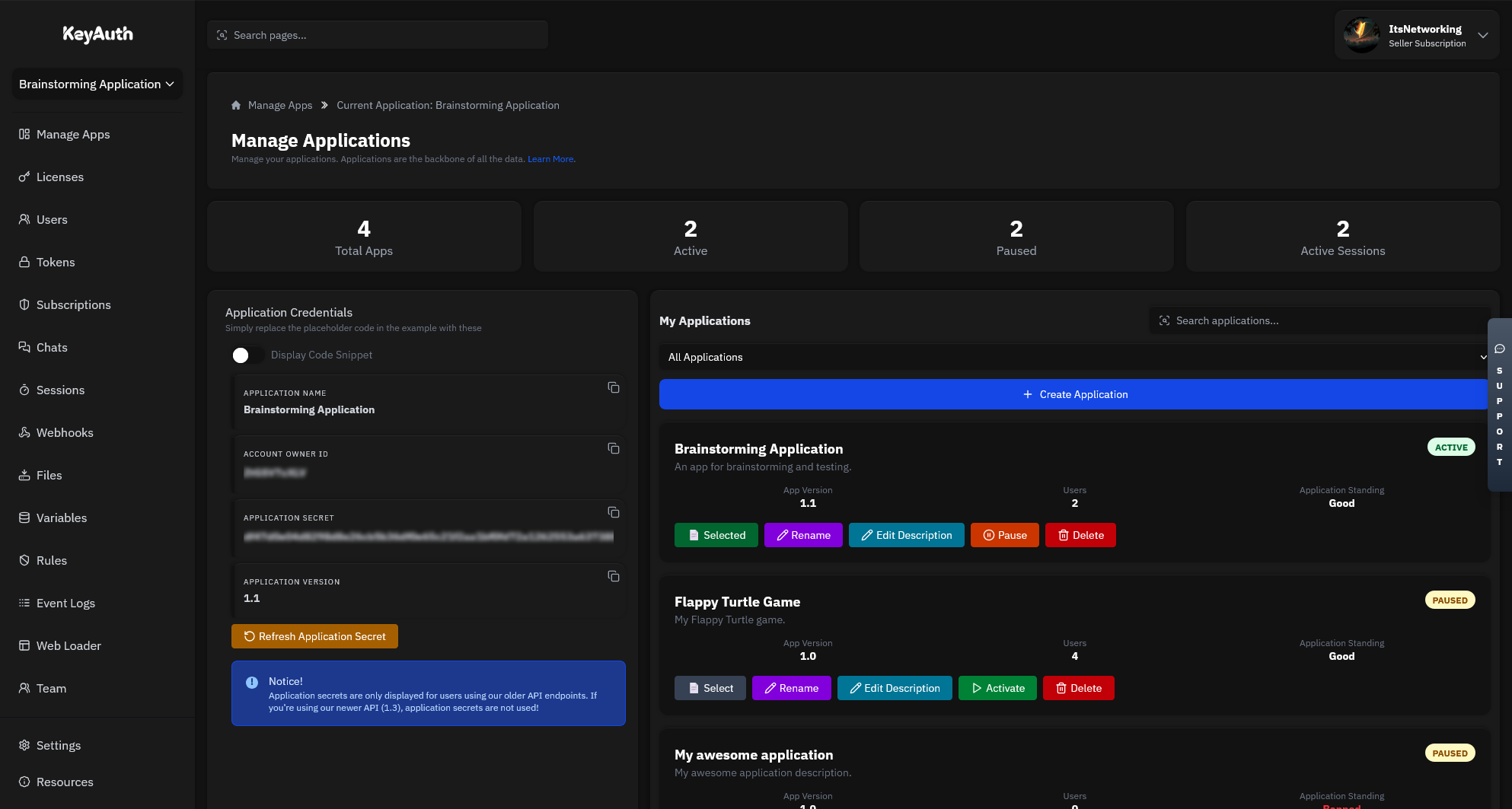
Secure, scalable, and game-changing authentication for your applications. Get started in minutes with our powerful APIs and SDKs.
Integrate into any programming language

A comprehensive suite of integrated tools for authentication, monetization, and user engagement.
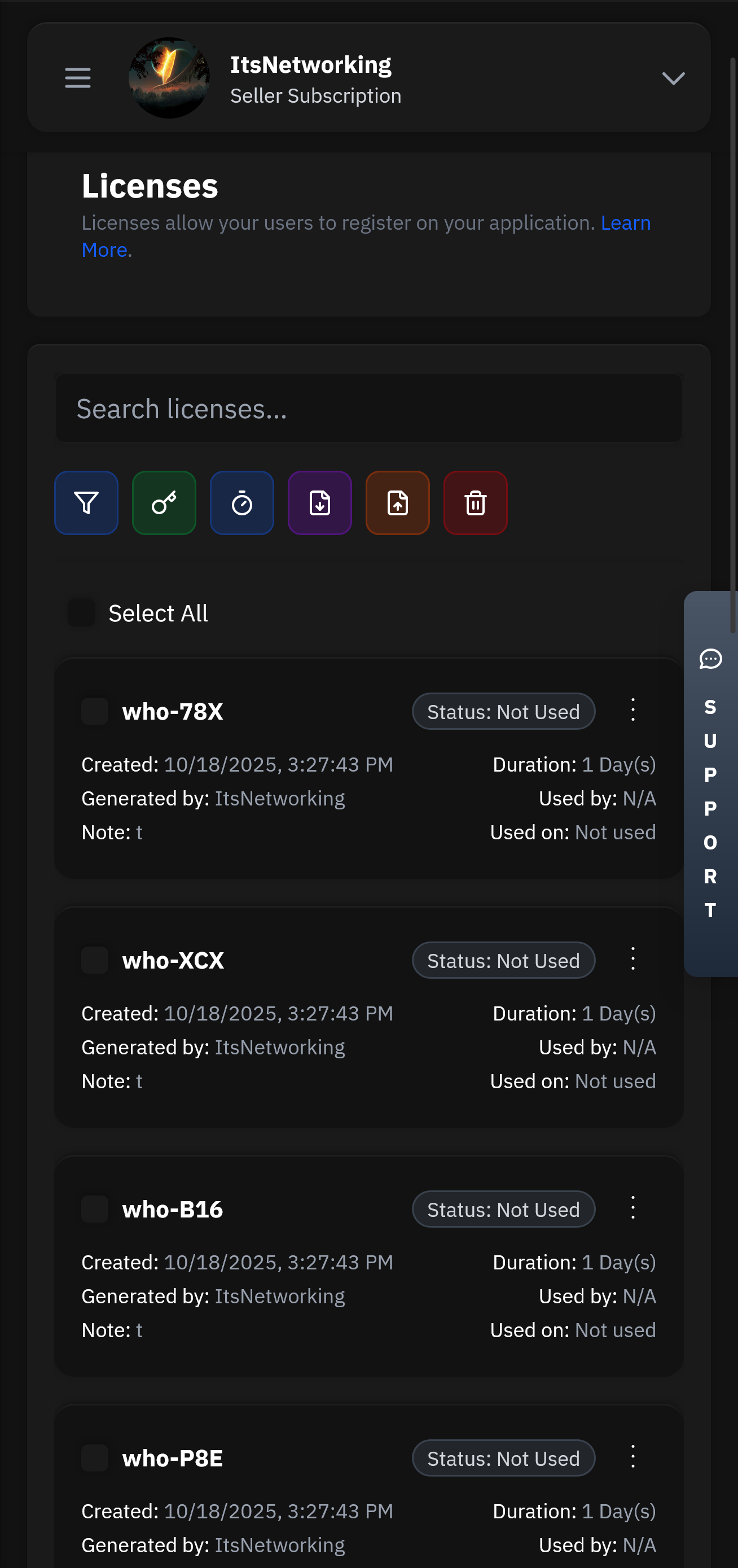
Create and manage user licenses with flexible expiration, trial, and subscription options.
Our lightning-fast infrastructure ensures your authentication requests are processed in under 50ms globally. With 99.99% uptime and redundant systems, your users will never experience delays.
Manage your applications remotely with our powerful Seller API. Update licenses, ban users, modify subscriptions, and monitor usage from anywhere in the world with full administrative control.
Built on a serverless architecture that automatically scales to handle millions of requests. Our global edge network ensures low latency and high availability across 300+ locations worldwide.
There's no question as to why we are the best choice for your business and one of the most used Authentication services.
Head over to our register page to create your account.
Applications will be the heart of your service. This is where all your users, licenses, chats and more will be stored.
Head over to our GitHub to find our examples and client API files. Simply follow the steps and have authentication up in less than 5 minutes.
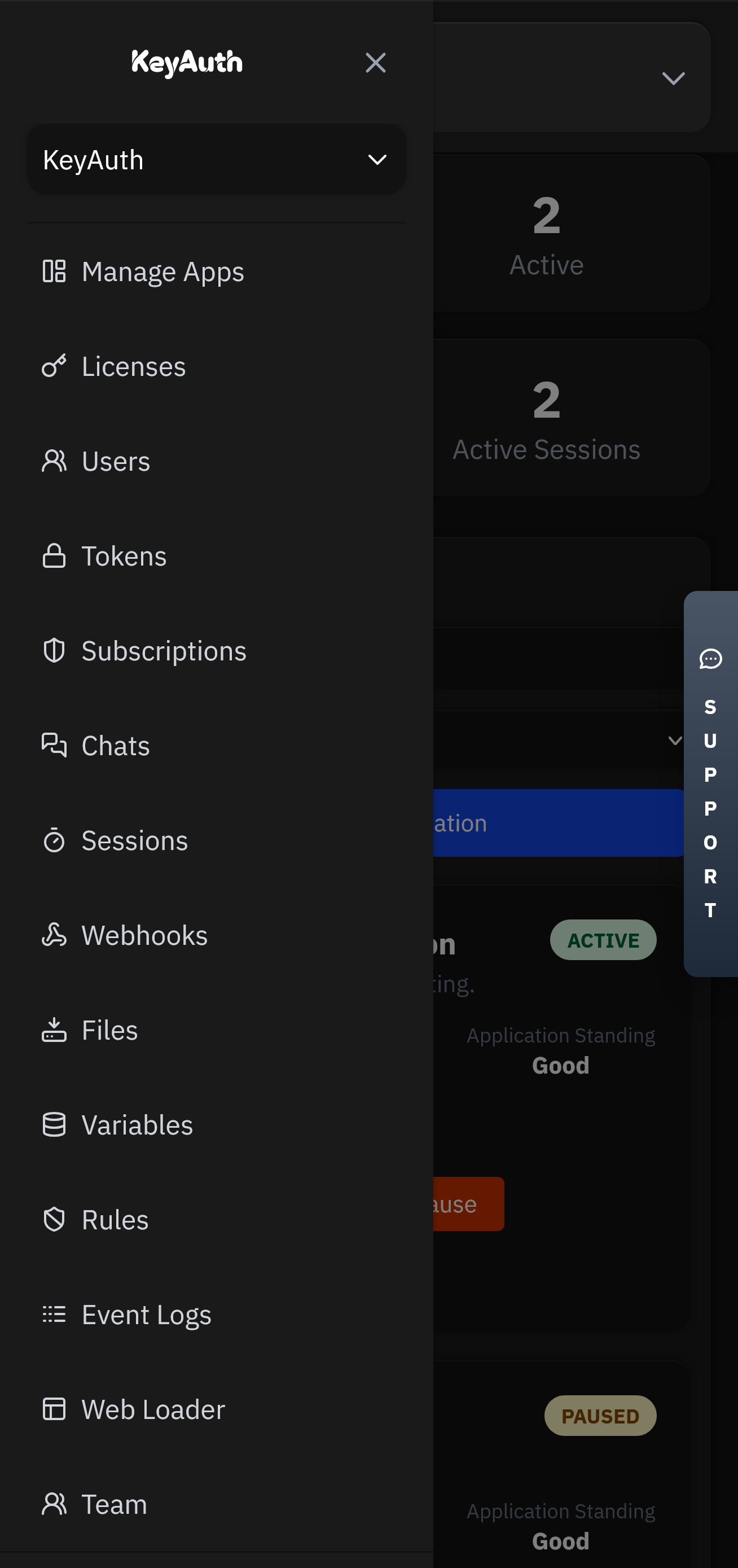
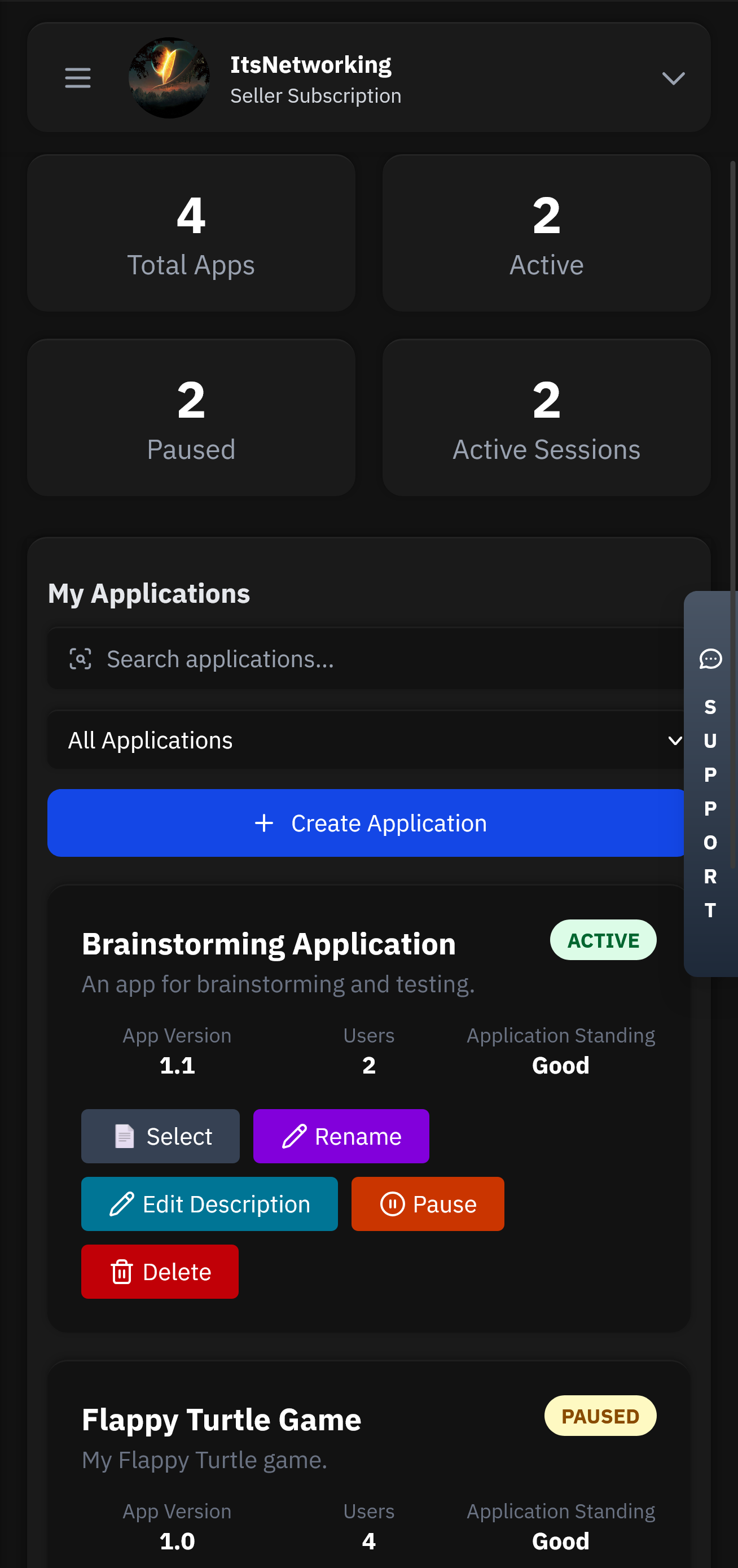
Control your application from anywhere using our mobile app. Manage licenses, chat with users, and view analytics directly from your phone or tablet.
Flexible options for teams of all sizes.
Today, buying original vintage hardware can be expensive and difficult to maintain. Fortunately, the emulation and emulation-adjacent communities have preserved this sonic history through the power of . Here is everything you need to know about the Roland Sound Canvas SC-55 SoundFont, why it remains essential, and how to use it on modern systems. What is the Roland Sound Canvas SC-55?
: Go to Audio options, select "FluidSynth" or "Native MIDI" as the music provider, and point the game directly to your .sf2 file.
The popularity of SC-55 SoundFonts stems from two main groups of users:
Before GM, a MIDI file could sound wildly different on different devices, as there was no guarantee that a "flute" sound would be mapped to the same program number. The SC-55's implementation of GM meant that a composer could be confident that their music would sound fundamentally as intended on any other GM-compatible device. Building on top of this, Roland added its proprietary extensions, which included hundreds of additional instruments, drum kits, and sound effects, giving composers a much richer palette to work with than the basic GM spec allowed.
Look on specialized forums like VOGONS (Very Old Games On New Systems) or retro gaming Discord servers. Searching for "SC-55.sf2" or "Roland GS SoundFont" will yield results.
The Roland Sound Canvas SC-55, released in 1991, was the first synthesizer module to fully support the standard. It became the de facto reference standard for PC music in the 1990s, defining how video game soundtracks were composed and heard. Unlike modern software synthesizers that use sample-loading (SoundFonts), the SC-55 utilized a fixed ROM-based sample playback architecture.
Use a plugin like TX16Wx (Free), FluidSynth , or Sforzando . Load the SF2: Import your SC-55 SoundFont into the sampler. Assign MIDI: Route your MIDI tracks to the plugin. 2. For Retro Gaming (DOSBox) Setup: Use VirtualMIDISynth (by CoolSoft) or BASSMIDI . Configure: Set your SC-55 SoundFont as the default soundfont within the application.
Modern operating systems include a default MIDI synthesizer (like the Microsoft GS Wavetable Synth). However, these defaults sound thin, inaccurate, and completely alter the mood of vintage tracks.


Got questions? We've got answers. If you can't find what you're looking for, feel free to reach out to our support team.