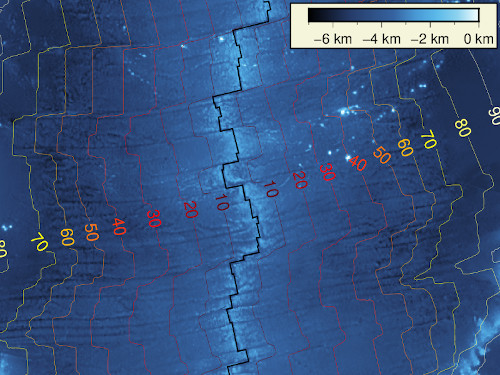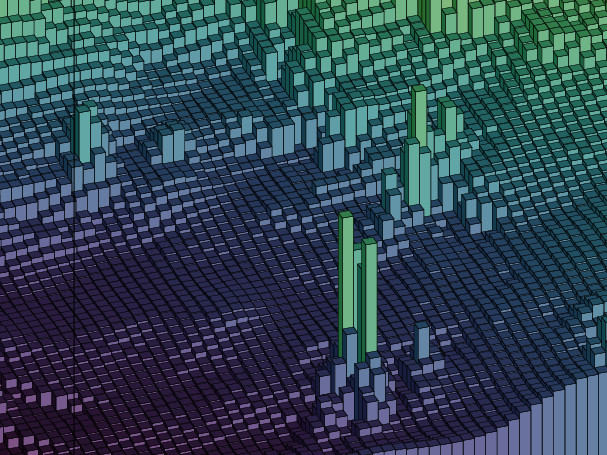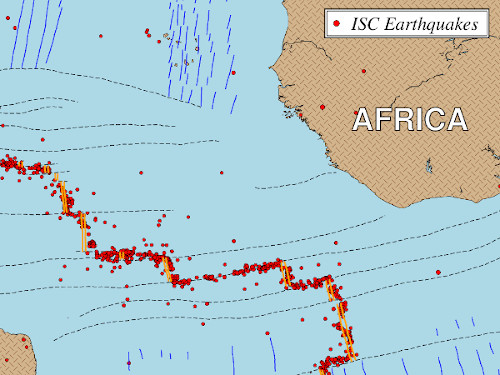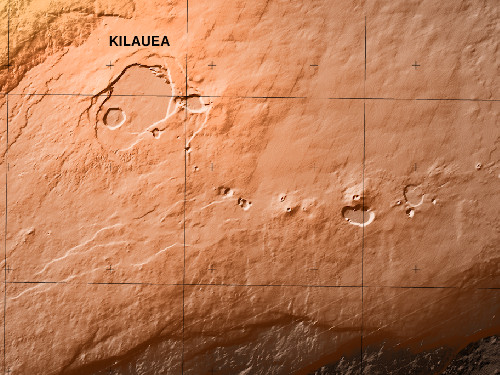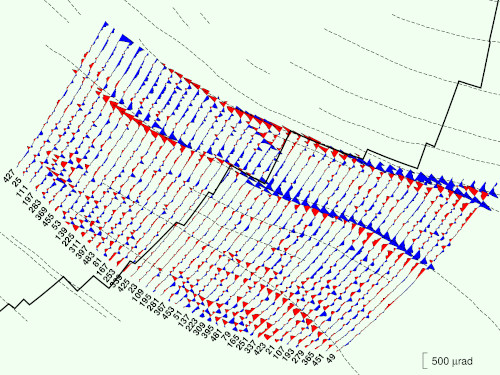
The Generic Mapping Tools (GMT) are widely used across the Earth, Ocean, and Planetary sciences and beyond. A diverse community uses GMT to process data, generate publication-quality illustrations, automate workflows, and make animations. Scientific journals, posters at meetings, Wikipedia pages, and many more publications display illustrations made by GMT. And the best part: it is free, open source software licensed under the LGPL.
Got questions? Join the friendly GMT Community Forum to get help and connect with other users and developers.
Want to use GMT in MATLAB/Octave, Julia, or Python? Check out the GMT interfaces!
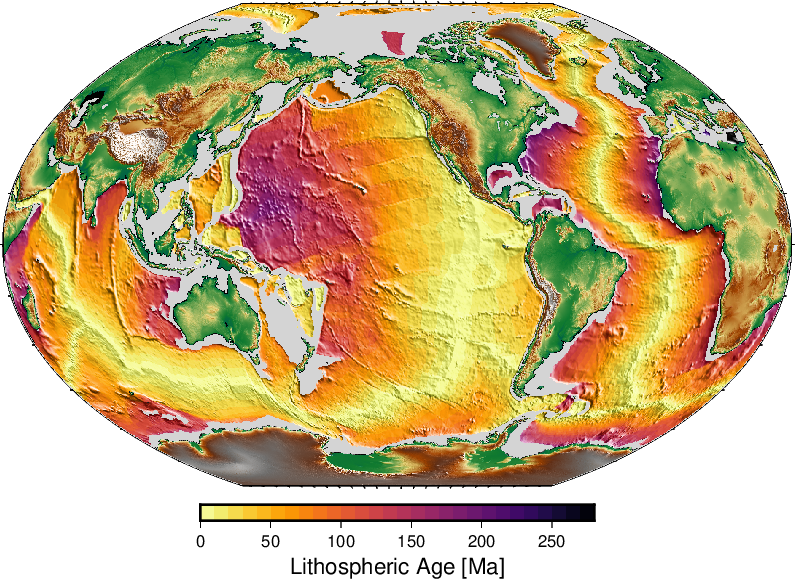
Whether Cartesian, geographic, or time-series, GMT can process your data. GMT enables you to explore new ways to analyze data and to build custom displays for drafts, publications, or final presentations. GMT allows unlimited customization via scripting in several languages.
Visit our Documentation page to find out all that GMT can do for you.
Used GMT in your research? Please consider citing GMT so we can justify the continued development efforts.
GMT has been used from UNIX and Windows command lines for decades. More recently, GMT has been rebuilt as an Application Programming Interface (API) and can now be accessed via wrapper libraries from MATLAB/Octave, Julia, and Python, as well from custom programs written in C or C++.
See all the projects the team is working on in the Ecosystem page.
Want to see the code? All development happens through GitHub in our GenericMappingTools account.

Symbolism is used economically: doors, keys, mirrors, or objects shift meaning across scenes—initially tokens of comfort, later instruments of constraint or surveillance. Repetition of certain phrases or gestures underscores the cyclical nature of possession: the same tender phrase that once soothed now signals entitlement.
To understand her contemporary work, it helps to look at her career timeline:
Reagan Foxx was a once-bright art student whose life had become a canvas of dull routines. Struggling with creative block and the loss of her mother, she dabbled in the occult, hoping to channel inspiration from the beyond. Her obsession began in earnest after discovering her mother’s old journal—filled with cryptic symbols and notes about a “threshold beyond the veil.” reagan foxx possession work
: Reagan Foxx is often cited for her long-standing career in the adult industry, known for her distinctive appearance, including numerous tattoos and a statuesque 5 ft 9 in frame.
Within this narrative, . Her character, Mary Reilly, is not merely a concerned mother; she is portrayed as a "creepy," "suspiciously and transparently sinister" figure from the very beginning. She embodies the film's central theme of hidden, dark desires. Her performance adds a layer of unease and dread, as the audience is left to wonder what secrets she holds. The XBIZ review of the film specifically praises Foxx's "creepy interpretation" of the role, highlighting how she contributes to the film's tension and psychological depth. Symbolism is used economically: doors, keys, mirrors, or
[User Search Query] │ ▼ [Search Engine Indexing] ──► Filters by Performer Name & Thematic Genre │ ▼ [Content Delivery Platforms] ──► Serves Targeted Video Clips, Filmographies, or Imagery Algorithmic Tagging
This public link is valid for 7 days and shares a thread, including any personal information you added. This link or copies made by others cannot be deleted. If you share with third parties, their policies apply. Can’t copy the link right now. Try again later. Struggling with creative block and the loss of
The characters are sketched to emphasize imbalance. The possessor is often charming and attentive at first, using care as a mask for demands; their gestures shift from affectionate to encroaching. The possessed character—initially responsive to attention—slowly recognizes the pattern: boundaries erode, choices narrow, and inner life becomes policed. This transformation is central: possession is shown as a process rather than a single act.