×
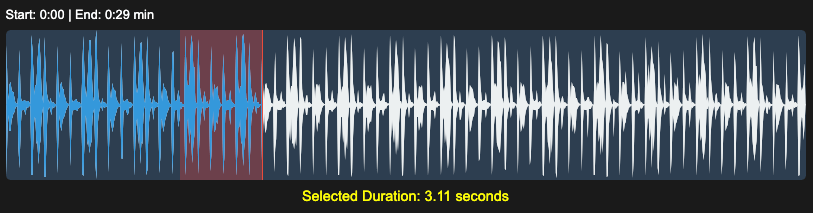
Example of selecting a region
Version 1.20 (often stylized as 1.2.0) represents a highly stable, widely compatible release of the software. It is favored by automotive technicians and DIY enthusiasts alike because it supports an expansive library of older and newer vehicle protocols without the aggressive online validation checks found in some newer, cloud-reliant iterations. The Danger of Unverified Downloads
Given those risks, the safest approaches are: obtain software from the official vendor or authorized reseller; use licensed dongles and drivers; or, if evaluating third-party downloads, verify carefully (see next section).
Alex’s blood ran cold. This wasn’t a tune. This was a ghost in the machine—a backdoor that turned Kellan’s Audi into a remote-controlled asset. And the moment Alex pressed "Verify," they had signed the delivery receipt. pcmflash 120 download verified
The software supports work via OBDII, Bench (on the table), and BSL (Bootloader) modes. Why "Verified" Downloads Matter
To actually communicate with a car, the software needs a pass-thru J2534 device. Popular verified devices include: Scanmatik 2 / Scanmatik 2 Pro Tact Openport 2.0 Version 1
If your specific hardware setup mandates using a legacy version like 1.2.0, you must verify the integrity of the installer file before execution:
The SHA-256 hash matched the forum post from svetlogorsk_tuner , a ghost who only appeared on deep-scan Tuesdays. Verified meant no cryptolocker. No bricked ECU. No lost customer. Alex’s blood ran cold
This report details the status, verification, and implications of downloading "PCMFlash v1.20" (often searched as "pcmflash 120"). PCMFlash is a specialized software tool used for reading and writing Engine Control Unit (ECU) flash memory via the CAN bus and K-Line.
