vs
Using default ports (8080) and generic passwords makes you a target for automated scanners.
Port is a common alternative HTTP port. WebcamXP, by default, often uses port 8080 for its web interface (though it can be changed to 80, 8000, or any other). When you see :8080 in a URL, it means the web server is listening for HTTP requests on that port. Example: http://192.168.1.100:8080
Navigate to Shodan and enter your public IP address into the search bar. Shodan will reveal exactly what ports (such as 8080) are open to the world and whether it has indexed your "webcamxp server" header. 5. Step-by-Step Security Hardening Guide my webcamxp server 8080 secret32 verified
Many developers integrate webcamXP servers with external home automation systems, custom web portals, or security dashboards. These integrations rely on unique security tokens appended to the HTTP URL string to bypass password prompts safely. If your automation script or third-party viewer passes the correct 32-character security hash to port 8080, the server log returns a verified status, successfully establishing the video feed socket. Step-by-Step Configuration: Securing Your Broadcast
If you suspect your 32-character secret token has been leaked, indexed by search engines, or logged on a public device, change it immediately. Go to the advanced network settings in WebcamXP. Locate the internal API or token generation field. Using default ports (8080) and generic passwords makes
Open the configuration page through a web browser (often http://localhost:8080 or similar), and set up your preferences.
I can provide the exact steps to lock down your specific setup. Share public link When you see :8080 in a URL, it
Unsecured servers expose cameras inside homes, offices, warehouses, and server rooms. Unauthorized viewers can watch private daily activities, track when a property is empty, and record private data without the owner's knowledge. 2. Network Intrusion Entry Points
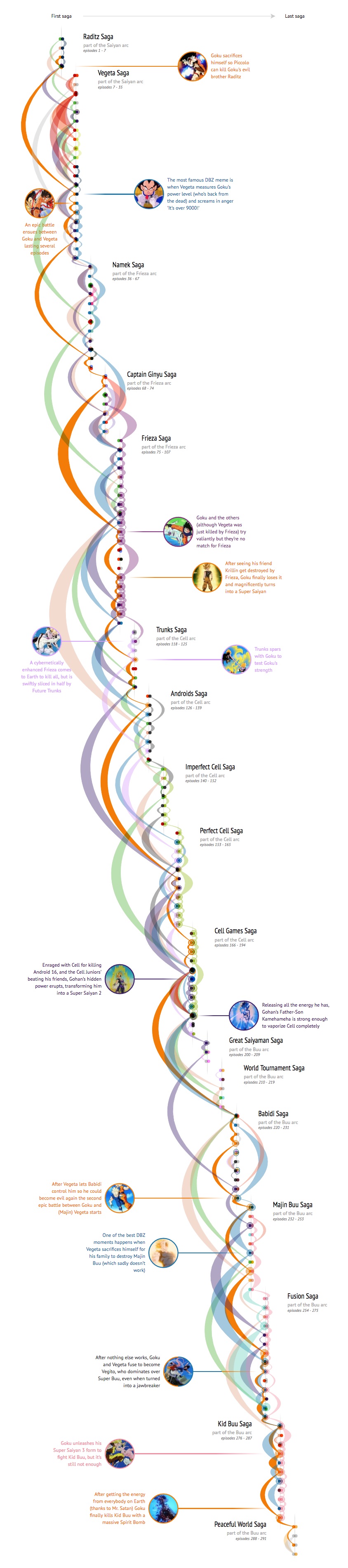
Extra interactivity on desktop The visual above is just an image, but on a large screen you see the full interactive and get the option to hover over each of the fights and character paths to see extra information about the fight; who was fighting whom, what was special about the fight and in what other battles did these characters fight.
Check it out behind your laptop / desktop as well for an even more detailed look into all fights that happened in Dragon Ball Z.
The fight info was taken from the Dragon Ball Wikia pages for each saga. For relevance, a few fights were taken out of the above visual; the Garlic Jr. and Other World Tournament filler sagas were completely removed. Also the ±5 fights that happened in the anime only and didn't feature any of the Z fighters, happened in a nightmare or flashback were taken out.
Created by Nadieh Bremer | Visual Cinnamon
Data from the very extensive Dragon Ball Wikia | Read about the design process in this blog