Hp Probook 450 G2 Bios Password Reset !!top!! -
Use SongShift to transfer music playlists across streaming platforms and share them with your friends.

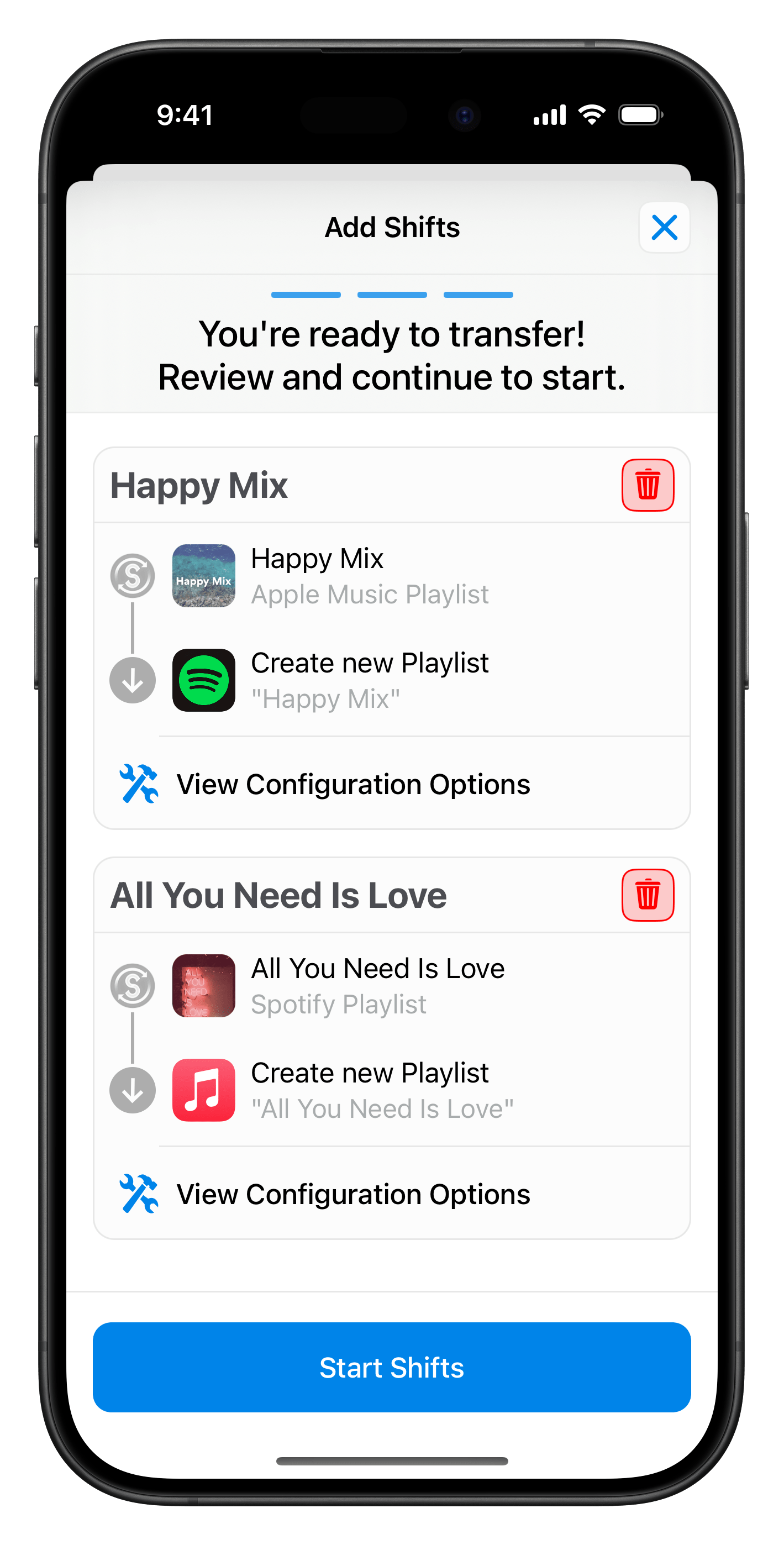
Use SongShift to transfer music playlists across streaming platforms and share them with your friends.

Transfer the music you love to the music provider you want.

Share playlists with anyone, regardless of their music streaming platform.

Sync additions from your playlist to your destination music streaming platform.

Amazon Music

Apple Music

Audiomack

Deezer

Discogs

Hype Machine

LastFM

Napster

Pandora

Qobuz

SoundCloud

Spotify

TIDAL

YouTube
Avoid using the same password for BIOS as you do for Windows.
For some models, particularly those with embedded security chips, the BIOS password might be stored in a non-volatile memory chip (EEPROM) that survives a CMOS reset.
If you manage multiple laptops, create a backup of the BIOS configurations.
Before attempting to reset the BIOS password on your HP ProBook 450 G2 laptop: hp probook 450 g2 bios password reset
Removing the CMOS battery (the classic desktop trick) does not work on this laptop. HP stores passwords in a serial EEPROM chip (usually Winbond 25Q series) that retains memory even when the laptop is unplugged and the CMOS battery is dead.
You must prove ownership of the device. Prepare the following details:
That code is for HP support only. If you are out of warranty, ignore it. It will lock you out for longer periods (up to 6 hours). Wait it out, then use the hardware method. Avoid using the same password for BIOS as you do for Windows
If these defaults do not work, the previous owner set a custom password. Proceed to Method 2.
Use a secure password manager to store BIOS passwords.
using a hex editor to remove the password section or use an automated tool, then flash the edited file back to the chip. Before attempting to reset the BIOS password on
If the above methods don't work for you, you can contact HP support for assistance. They may request proof of ownership and provide a BIOS password reset code or guide you through the reset process.
The BIOS (Basic Input/Output System) password, also known as the CMOS password, is a security feature that protects your laptop's BIOS settings from unauthorized access. It's a crucial security measure that prevents others from modifying your device's settings or booting from unauthorized devices.