
|
Taberinos Tropical Swaps Yan Loong Legend 2: 2nd Impact BioBots Crystal Klondike Solitaire |
|
History Of Ancient And Early Medieval India Upinder Singh Pdf - A
Here’s a structured feature outline you could use or expand into an article or video script:
The book is also famous for its . The physical copy is massive—over 600 pages—filled with color photographs, maps, and timelines. This makes the search for a high-quality PDF particularly challenging, as most scanned copies lose the intricate detail of these maps.
One of the book's main strengths is its focus on how history is constructed. It explains fundamental concepts and introduces students to contemporary debates, discoveries, and research, encouraging them to critically evaluate theories and evidence. Here’s a structured feature outline you could use
Investigates the political structure, feudalism debates, and regional identities up to the 12th century. Why Students Look for the PDF
4. Why This Text is Vital for Academic and Competitive Exams One of the book's main strengths is its
Covers the post-Mauryan political fragmentation, the rise of the Guptas, and developments in classical art, science, and literature.
The book explores the cultural, social, economic, and political developments of ancient India, including the Indus Valley Civilization, the Vedic period, the rise of Buddhism and Jainism, the Mauryan Empire, and the Gupta Empire. Why Students Look for the PDF 4
If you need a or a comparison with another textbook (e.g., Romila Thapar’s Early India ), just tell me which part. And if you meant a software “feature” (like a PDF tool) rather than a journalistic feature, please clarify — I’ll adjust accordingly.
The text analyzes religious texts (Vedic, Buddhist, and Jain canons) alongside secular texts like Kautilya’s Arthashastra , Kalidasa's poetry, and regional Tamil Sangam literature.
The book begins by exploring the earliest human remains in South Asia, dating back thousands of years. It details the shift to sedentariness around 7000 BCE and the subsequent evolution of the Indus Valley Civilization. Singh highlights the urbanization, trade, and eventual transformation of this urban society into rural communities due to environmental factors, such as drought, around 1900 BCE. 2. The Vedic Age and Emerging Social Structures
| More strategy games: | |
 Heaven or Hell - Heaven and Hell is a real-time strategy game where players choose to play as either heaven or hell soldiers. Train your troops and go to battle. Heaven or Hell - Heaven and Hell is a real-time strategy game where players choose to play as either heaven or hell soldiers. Train your troops and go to battle. | 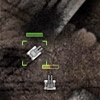 Steam of War - Steam of War is an action packed real time strategy game defeat the enemies and take over their territory until you own the complete map. Steam of War - Steam of War is an action packed real time strategy game defeat the enemies and take over their territory until you own the complete map. |
 Shadez: The Black Operations - The player is placed into the role of General of a Mercenary force. This force has been hired by the governments around the world to fight the wars they do not want to fight or they don’t want to declare. Shadez: The Black Operations - The player is placed into the role of General of a Mercenary force. This force has been hired by the governments around the world to fight the wars they do not want to fight or they don’t want to declare. | 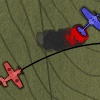 Steambirds - Steam Birds is turn based plane fighting game. Set up your moves and bring all enemy planes down in this strategic title from Andy Moore. Steambirds - Steam Birds is turn based plane fighting game. Set up your moves and bring all enemy planes down in this strategic title from Andy Moore. |
 Avalon Tycoon Mansion - Buy and sell buildings at the right time to earn money and buy the big house of $10.000 in a short strategy game. Avalon Tycoon Mansion - Buy and sell buildings at the right time to earn money and buy the big house of $10.000 in a short strategy game. | 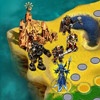 Conquerors of the Island - The game is based on the classic board game Ludo. The main objective is to lead all the characters through the field and capture the pyramid. You should prevent the characters of another race from doing that. Conquerors of the Island - The game is based on the classic board game Ludo. The main objective is to lead all the characters through the field and capture the pyramid. You should prevent the characters of another race from doing that. |
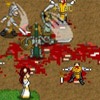 Necronator - Summon and control the undead forces, conquer the world by killing any human who stands in the way. Level up your armies and dominate the world! Necronator - Summon and control the undead forces, conquer the world by killing any human who stands in the way. Level up your armies and dominate the world! |  Robotic Emergence - After the extinction of the humans, their robots have taken up the mantle, waging wars in their stead. Build an army of robots that will reach the other end of the battlefield, exploding on impact with the enemy wall. Robotic Emergence - After the extinction of the humans, their robots have taken up the mantle, waging wars in their stead. Build an army of robots that will reach the other end of the battlefield, exploding on impact with the enemy wall. |
 Vacation Mogul - The tourism business has never been easier or more fun than in Vacation Mogul, a real estate management game that challenges you to make more money than you ever dreamed possible. Vacation Mogul - The tourism business has never been easier or more fun than in Vacation Mogul, a real estate management game that challenges you to make more money than you ever dreamed possible. |  Chat Noir - Try to lock in the black cat by clicking dots to block his way out. A hard game but not impossible. Chat Noir - Try to lock in the black cat by clicking dots to block his way out. A hard game but not impossible. |
^ top