Influencing themes of nature and the supernatural.
The financial mechanics of the industry rely on a unique model known as the .
Long before the neon lights of Tokyo, Japanese entertainment was built on the concepts of (finding beauty in imperfection) and refined silence. In the 17th century, cities saw the rise of Kabuki and puppet theaters ( Bunraku ), where townspeople saw their own lives reflected in stylized, colorful dramas. These traditions established a unique Japanese aesthetic—one where the line between reality and illusion is intentionally blurred. The Post-War Renaissance 1pondo 100414896 yui kasugano jav uncensored work work
: The "idol" culture—marked by dedicated fan clubs and a unique "girl next door" image—created a business model where fans don't just buy music, they support the artist as a "family" member.
Western pop music prioritizes authenticity and artistic evolution. Japanese pop music prioritizes accessibility, perfection, and parasocial relationships . Influencing themes of nature and the supernatural
Simultaneously, Japan is embracing new digital horizons. Virtual YouTubers (VTubers)—digital avatars controlled by real-time motion-capture performers—have exploded out of Japan to become a multi-million-dollar global industry. This showcases Japan's enduring talent for inventing entirely new categories of entertainment.
The "otaku" (nerd) culture, once stigmatized, is now an economic engine. Akihabara district in Tokyo generates billions from figurines, doujinshi (self-published works), and maid cafes. The industry’s shrewd monetization of character goods (keychains, acrylic stands, limited-edition art) taps into the Japanese concept of monozukuri —the art of making things with soul, even the soul of a plastic figurine. In the 17th century, cities saw the rise
This guide provides a glimpse into the rich and diverse world of Japanese entertainment and culture. From traditional forms like kabuki and noh to modern phenomena like J-pop and anime, there's something for everyone to enjoy.
This public link is valid for 7 days and shares a thread, including any personal information you added. This link or copies made by others cannot be deleted. If you share with third parties, their policies apply. Can’t copy the link right now. Try again later.
In the latter half of the 20th century, Japan's cultural exports shifted toward serialized storytelling and interactive media.


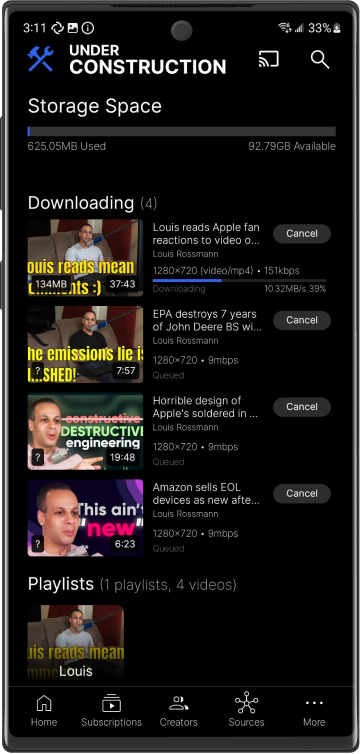
Grayjay is a cutting-edge mobile app that serves as a video player and source aggregator. It allows you to stream and organize videos from various sources, providing a unified platform for your entertainment needs.
Grayjay is currently available on Android, ensuring compatibility with a wide range of smartphones.
A desktop version is actively in the works, and already in internal testing phases.
Not in the near future, our focus right now is a first class Android application.
No, we are an aggregator to facilitate other streaming platforms. We do not host any content or distribute any content from servers.
Yes, we have a Gitlab repository here: Grayjay Gitlab Repository
We sell licenses.
Yes, you can change which tabs are visible, by going to settings and clicking "Manage Tabs".
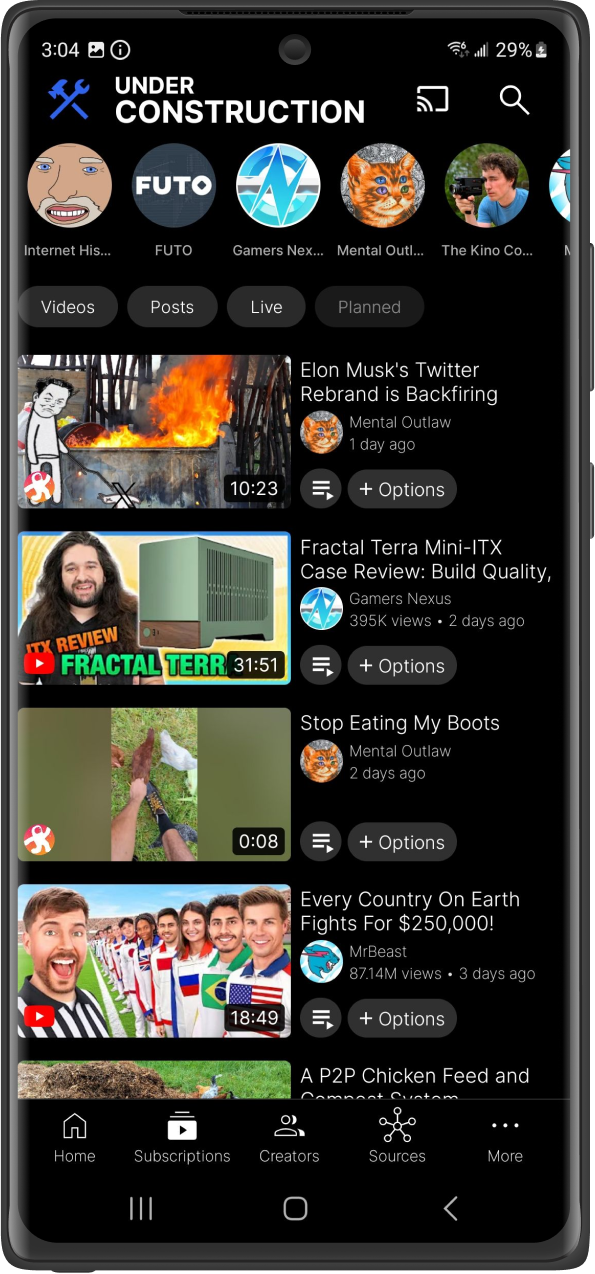
The subscription tab is only visible if you have any subscriptions. It could also be located under More if you changed the tab order.
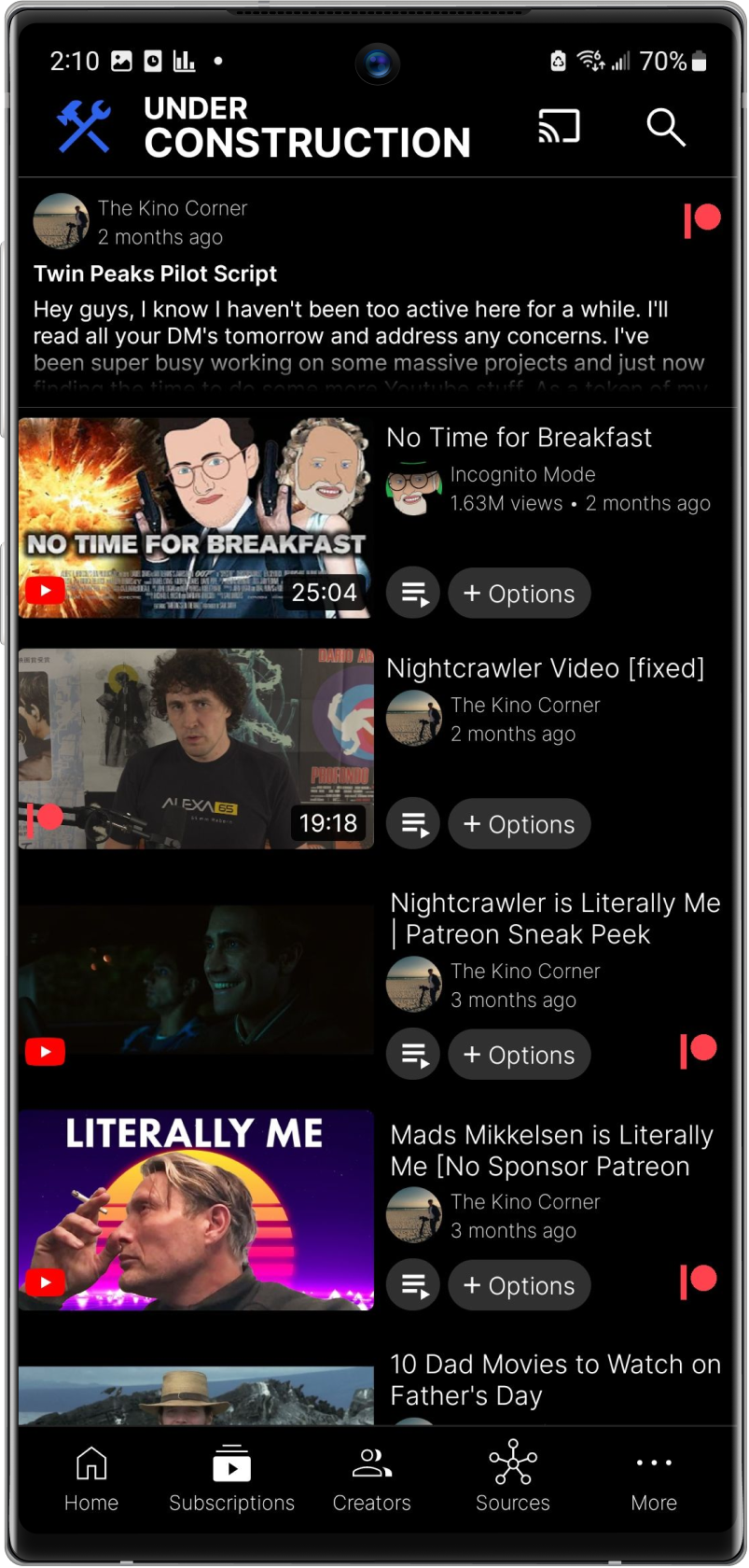
When you subscribe to a creator we store the metadata of their channel locally on your device. Your subscriptions feed is a reverse-chronological list of videos of all creators you subscribed to. We also show live streams and planned streams at the top.
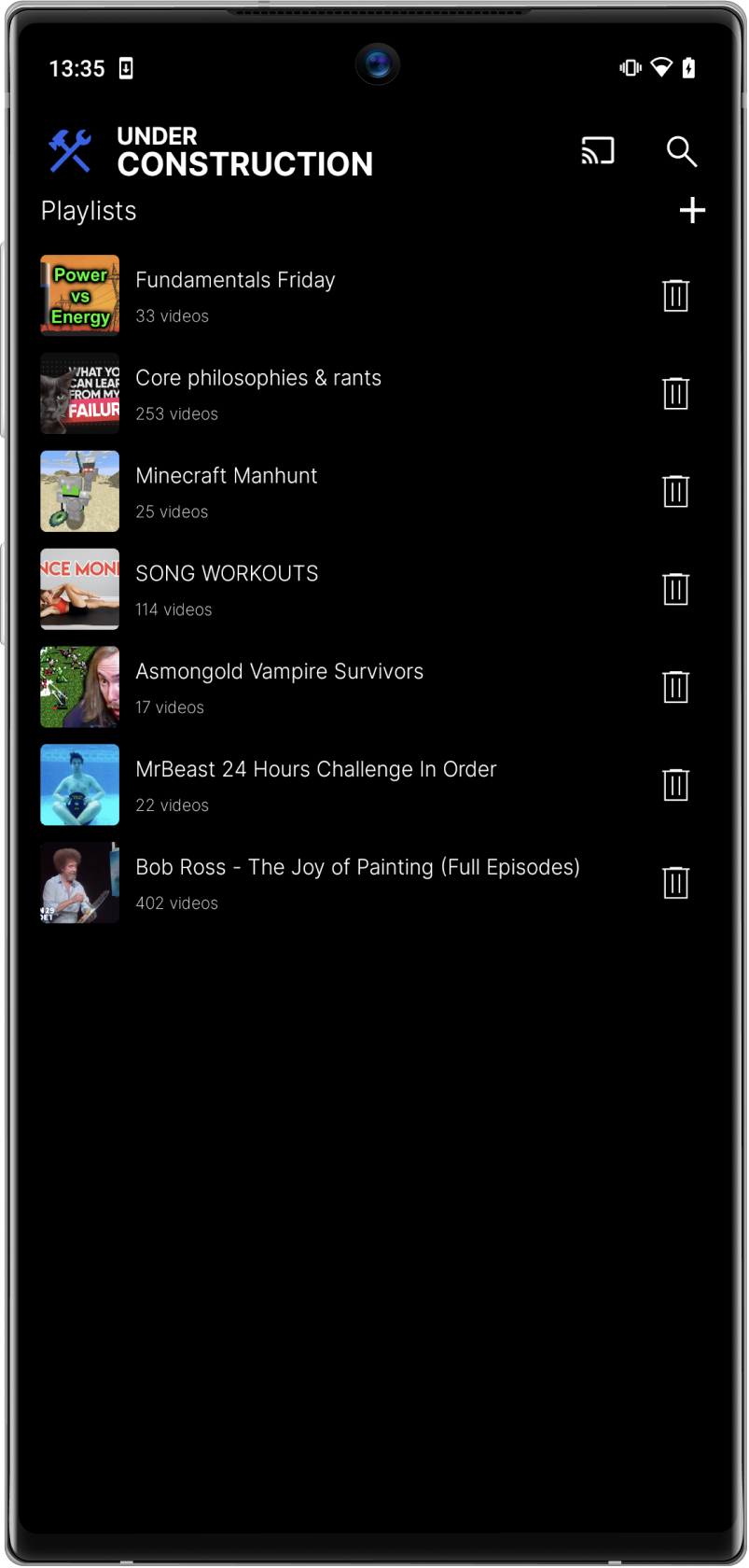
Yes, Grayjay allows you to create custom playlists and organize your videos based on your preferences. You can easily categorize content, create playlists for different moods or occasions, and manage your video library effortlessly.
No, We offer a way to pay for the app once. The app will function identically without paying.
Export subscriptions in JSON format from NewPipe and then open this file in Grayjay.
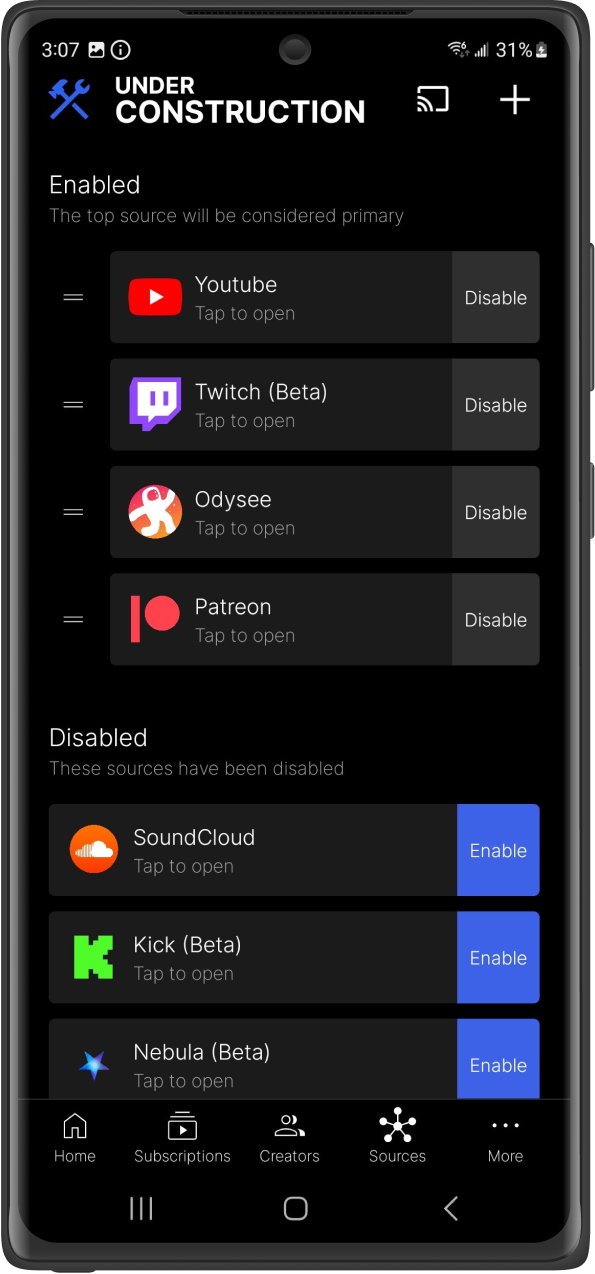
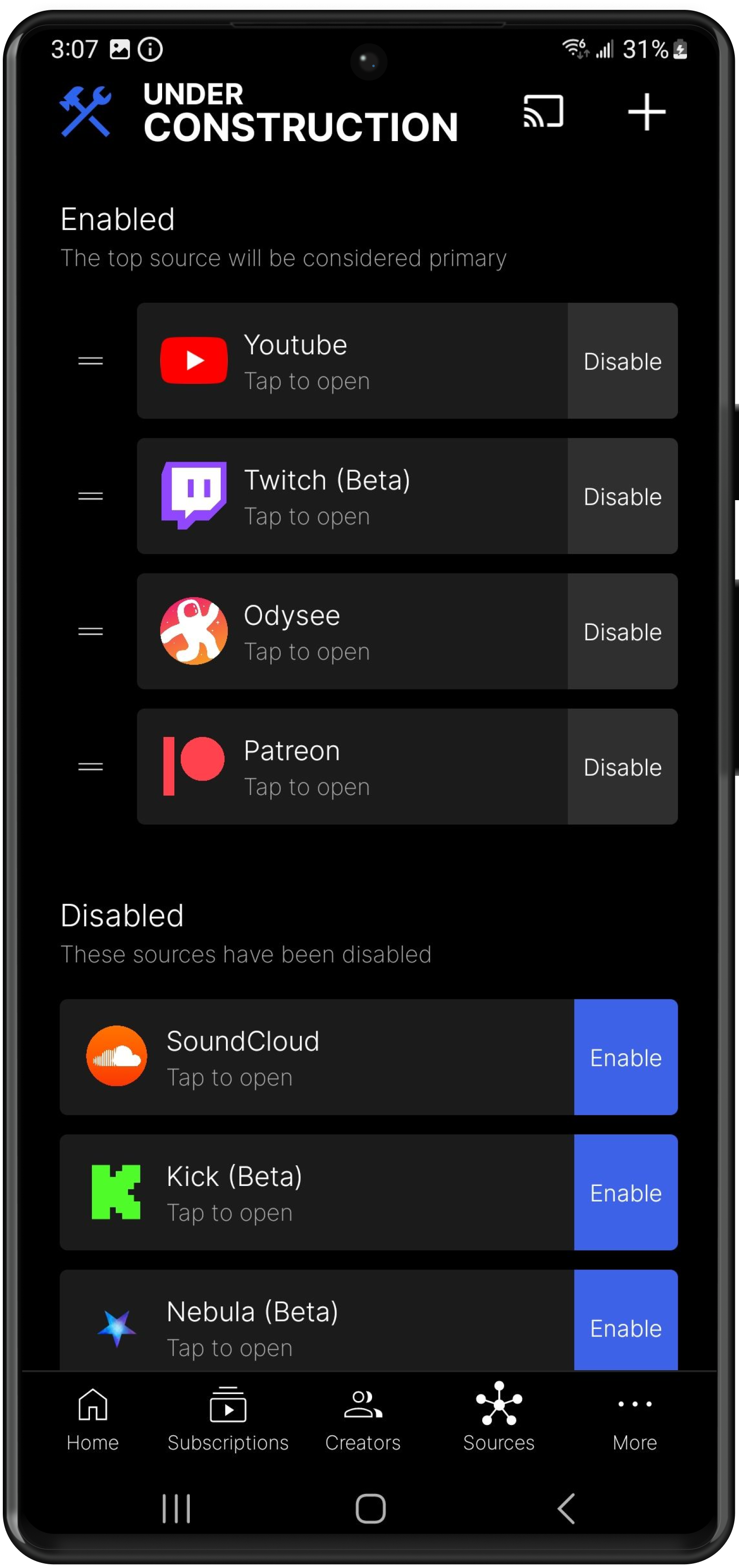
Go to the sources tab, and click on the platform source you want to import from. After logging in, the "Import Subscriptions" button should be available (if the plugin supports it).
Go to the sources tab, and click on the platform source you want to import from. After logging in, the "Import Playlists" button should be available (if the plugin supports it).
Go to this website and enter the URL of your desired PeerTube instance PeerTube Plugin Host then click "Open in Grayjay" and it will offer to install that PeerTube instance as a plugin.
Using the Harbor app you can link your accounts together as a creator. Once linked, users subscribed to one of your channels, will see all of your linked channels.
The recommended way to cast is to use the FCast Receiver app. This app works on Android, Android TV, MacOS, Windows and Linux. It can be downloaded from the Google Play Store or from here https://fcast.org/. We also support casting to ChromeCast. ChromeCast at the moment is still being improved and it requires proxying streams by your phone (unlike FCast) for any content that has separate video and audio streams. Lastly, we support AirPlay. However, AirPlay does not support the DASH protocol so we do not support playing content with separated video and audio streams to AirPlay devices.
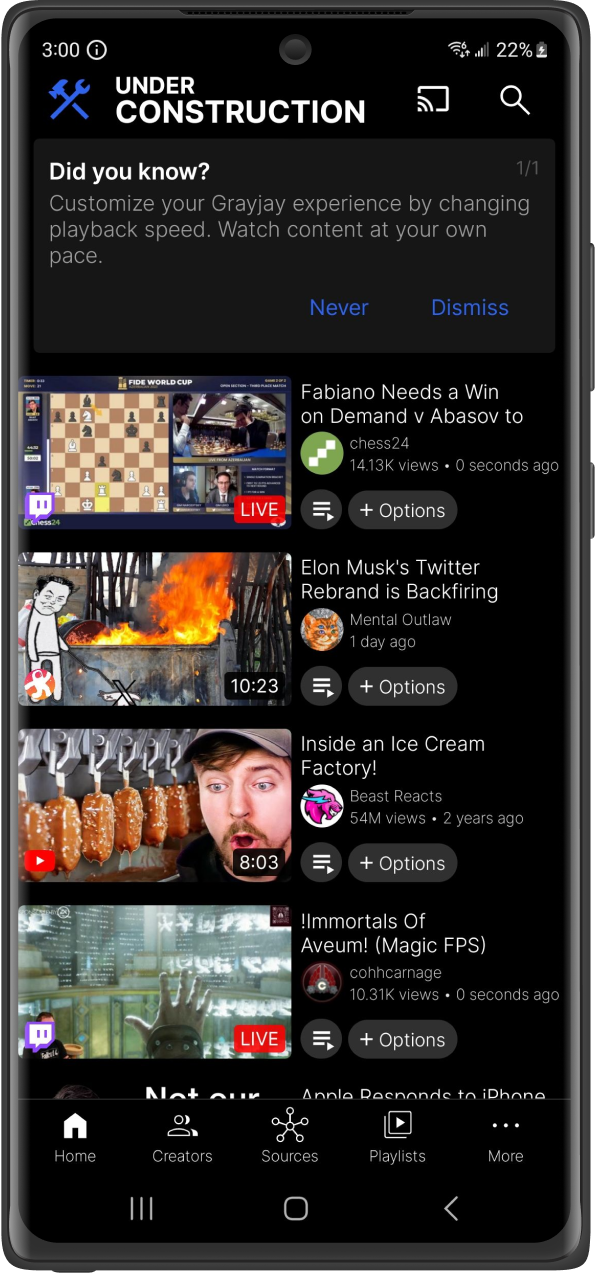
Grayjay does not track you out of the box. For this reason, platforms do not know what content to show you. If you want more personalized content you will need to login to the platforms.
Additional sources can be downloaded here.
Click on the home/subscriptions tab and click on search.
Click on the playlists tab and click on search.
Click on the creators tab and click on search.
Click on the filter button while viewing your search results and you can disable certain sources there.
You can easily refine your search results by clicking the filter button. This will display filter options applicable to all enabled sources. As you disable sources, additional filtering options may become available, since certain filters are more likely to be common across a narrower range of sources.
Influencing themes of nature and the supernatural.
The financial mechanics of the industry rely on a unique model known as the .
Long before the neon lights of Tokyo, Japanese entertainment was built on the concepts of (finding beauty in imperfection) and refined silence. In the 17th century, cities saw the rise of Kabuki and puppet theaters ( Bunraku ), where townspeople saw their own lives reflected in stylized, colorful dramas. These traditions established a unique Japanese aesthetic—one where the line between reality and illusion is intentionally blurred. The Post-War Renaissance
: The "idol" culture—marked by dedicated fan clubs and a unique "girl next door" image—created a business model where fans don't just buy music, they support the artist as a "family" member.
Western pop music prioritizes authenticity and artistic evolution. Japanese pop music prioritizes accessibility, perfection, and parasocial relationships .
Simultaneously, Japan is embracing new digital horizons. Virtual YouTubers (VTubers)—digital avatars controlled by real-time motion-capture performers—have exploded out of Japan to become a multi-million-dollar global industry. This showcases Japan's enduring talent for inventing entirely new categories of entertainment.
The "otaku" (nerd) culture, once stigmatized, is now an economic engine. Akihabara district in Tokyo generates billions from figurines, doujinshi (self-published works), and maid cafes. The industry’s shrewd monetization of character goods (keychains, acrylic stands, limited-edition art) taps into the Japanese concept of monozukuri —the art of making things with soul, even the soul of a plastic figurine.
This guide provides a glimpse into the rich and diverse world of Japanese entertainment and culture. From traditional forms like kabuki and noh to modern phenomena like J-pop and anime, there's something for everyone to enjoy.
This public link is valid for 7 days and shares a thread, including any personal information you added. This link or copies made by others cannot be deleted. If you share with third parties, their policies apply. Can’t copy the link right now. Try again later.
In the latter half of the 20th century, Japan's cultural exports shifted toward serialized storytelling and interactive media.
Absolutely! We value user feedback. If you have specific video sources you'd like us to add or features you'd like to see in Grayjay, please reach out to us through the app or our website. We're always keen to enhance your experience based on your suggestions.
If you encounter any issues, have questions, or need assistance, our customer support team is here to help. You can visit our website https://github.com/futo-org/grayjay-android/issues . You can contact us through the app by clicking on Show Issues in the settings page. Alternatively, you can join the FUTO chat for live support from developers and community members.
Yes, you can write a plugin for Grayjay and allow people to install it. We keep expanding our documentation which you can find here: Plugin Development Documentation
Yes, see here.